

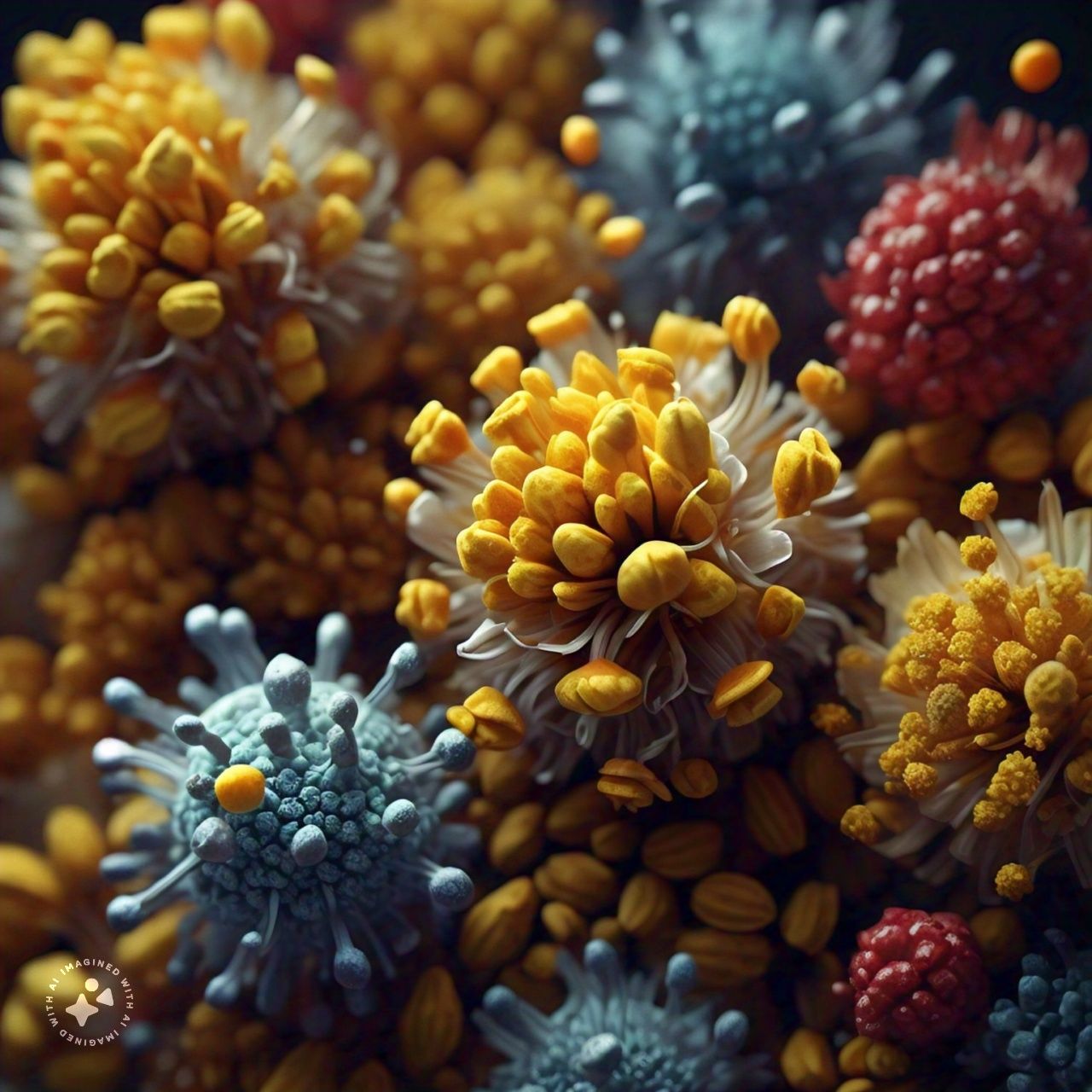
In what type of structures are pollen grains stored ?
Sign Up to our social questions and Answers Engine to ask questions, answer people’s questions, and connect with other people.
Login to our social questions & Answers Engine to ask questions answer people’s questions & connect with other people.
Lost your password? Please enter your email address. You will receive a link and will create a new password via email.
Please briefly explain why you feel this question should be reported.
Please briefly explain why you feel this answer should be reported.
Please briefly explain why you feel this user should be reported.
Questions | Answers | Discussions | Knowledge sharing | Communities & more.
Pollen grains are stored in:
1. Anthers: The male reproductive organs of flowers, where pollen grains are produced and mature.
2. Pollen sacs: Specialized structures within the anthers that contain the pollen grains.
3. Pollen baskets (Corbiculae): Specialized structures on the legs of bees and other pollinators that collect and transport pollen grains.
4. Pollen storage units (PSUs): Specialized structures in some plants, like orchids, that store pollen grains.
5. Pollinia: Specialized structures in some plants, like orchids and milkweeds, that package pollen grains together.
After pollination, pollen grains are stored in the:
1. Stigma: The female reproductive organ of flowers, where pollen grains germinate and form the pollen tube.
2. Style: The narrow tube that connects the stigma to the ovary, through which the pollen tube grows.
3. Ovary: The female reproductive organ that contains the ovules (eggs), where fertilization occurs.
Understanding pollen storage is important in plant reproduction, pollination biology, and ecology.